

Virtual Reality vs. Augmented Reality: Which Will Dominate?
You’ve probably debated this with a friend at some point: if you had to bet your entire tech budget on either VR or AR, which would you choose?
Technology is evolving at an unprecedented pace, revolutionizing the way we live, work, and communicate. From artificial intelligence and machine learning to smart devices and automation, tech innovations are streamlining processes, enhancing productivity, and creating new opportunities across industries. Staying updated is essential to thrive in this rapidly changing landscape.
You’ve probably debated this with a friend at some point: if you had to bet your entire tech budget on either VR or AR, which would you choose?
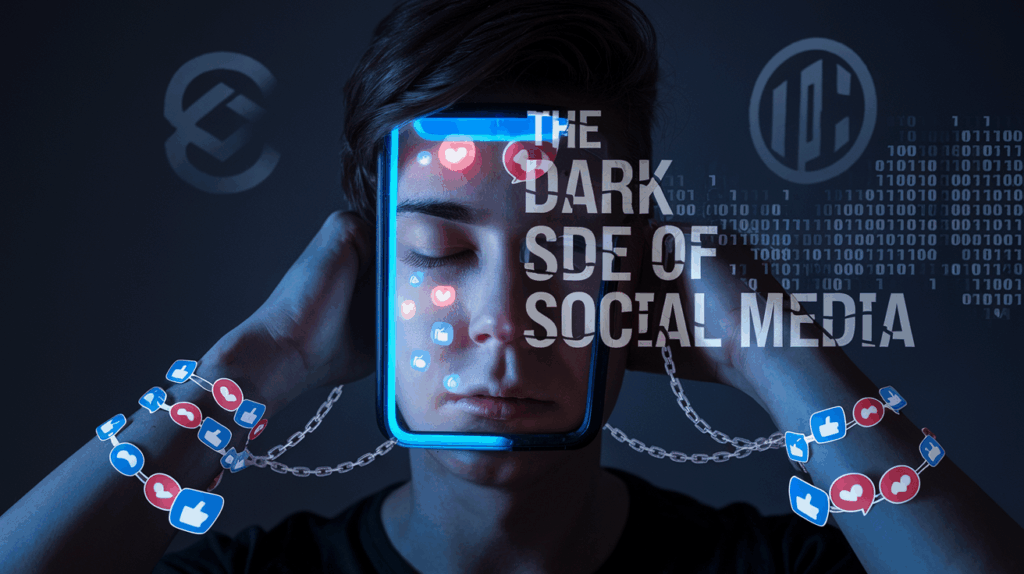
Ever noticed how you check your phone before you’ve even brushed your teeth in the morning? You’re not alone – the average American spends 4.5 hours daily scrolling through social media feeds engineered to keep you hooked.

In an era where financial security breaches make headlines almost daily, the debate between blockchain technology and traditional banking has never been more relevant. While banks have served as the backbone of our financial system for centuries, they’ve become increasingly vulnerable to hacking, fraud, and system failures—costing customers billions annually. Meanwhile, blockchain’s decentralized structure promises a revolution in financial security, distributing data across countless nodes and eliminating single points of failure that hackers traditionally exploit.
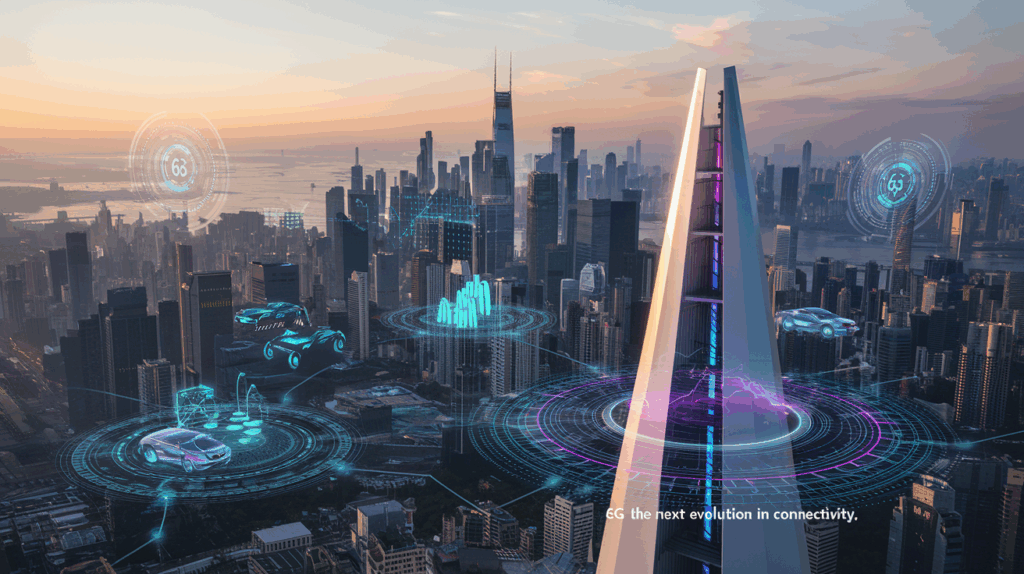
As 5G networks continue their global rollout, tech visionaries are already setting their sights on the next frontier of connectivity: 6G. Imagine downloading entire seasons of your favorite shows in seconds, experiencing truly immersive virtual worlds with zero lag, or witnessing autonomous vehicles communicating instantaneously across smart cities.

Quantum computing represents a fundamental shift from classical computing through its unique operational principles. Unlike traditional systems, quantum computers utilize qubits, which can exist in multiple states simultaneously through a phenomenon called superposition. This capability allows quantum systems to process vast amounts of information in parallel. Additionally, qubits can become entangled with each other, creating powerful correlations that enhance processing capabilities for complex tasks.

In today’s rapidly evolving digital landscape, your career survival depends on more than just technical expertise. With AI and automation reshaping industries at breakneck speed, yesterday’s in-demand skills can become obsolete almost overnight. The question isn’t if your role will transform—it’s when and how dramatically.